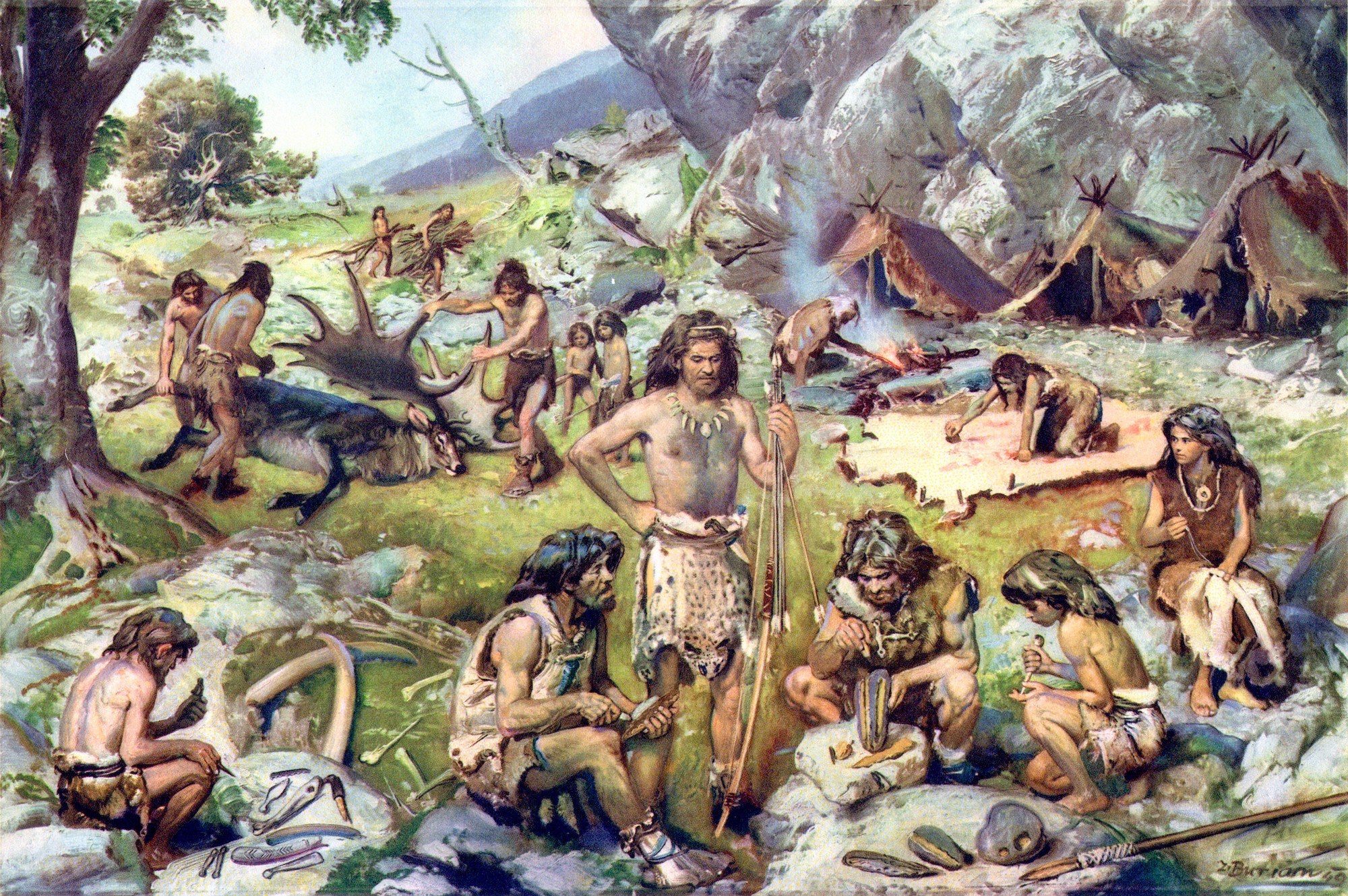
Unlike wild animals, humans have neither claws nor fangs as weapons. The only way for Homo sapiens to survive and reproduce in the wild is to be accepted into a group of other Homo sapiens —to participate in their lives, help others, and receive help in return. Life outside society has always meant certain death for humans, and over millions of years of evolution a strong “social firmware” has become embedded in the human brain: the need to be accepted by the group.
Personality is the term psychology uses to describe a person’s behavior and character within society. Personality is what a person thinks about other people and how they relate to them. It is a life strategy for existing in society, for self-realization within it, and for following the meanings and beliefs accepted by the culture. The highest reward for a personality is to be a respected member of society, to find a “better half,” and to pass on one’s social genes. The cruelest punishment is to be rejected and expelled from the tribe—an outcome under which the personality of any Homo sapiens withers morally and dies physically.
There are metaphorical, incurable “viruses” (disorders) that feed on personality throughout life and make a person’s social behavior non-instinctive and abnormal. Under the influence of innate brain features combined with a specific family upbringing (the basic unit of society), people emerge with unusual patterns of thinking, emotion, and behavior—patterns that are destructive to all areas of their lives and often to the lives of those close to them.
Science recognizes ten types of personality disorders (PDs), each altering how a person behaves in society. American psychiatry groups all personality disorders into three clusters with similar symptoms within each group. All personality disorders are fully formed in early childhood; most first become evident and diagnosable in adolescence and persist throughout life.
